
Realtime Auto-Mated, Multi-User Online Accessible Accounting Software
Accounting is a company’s method of monitoring its daily activities. It can be difficult to follow all of these transactions, which is why accounting software exists.
Many different tasks need to be completed to have a complete view of a company’s financial situation, which is why corporate accounting is so complex. It is an arduous and time-consuming task when done by hand. However, with the aid of accounting software, these tasks have become easier, freeing up managers’ time to concentrate on the actual implementation of the strategy.
- Most will do things like data entry, storage, and analysis mechanically.
- It is especially helpful for activities like bank reconciliation. Invoicing, bill payment, payroll, and financial reporting are just some of the features available in accounting software.
- Financial and business transactions can be managed using accounting software. It is used to track a company’s money and conduct commercial deals.
- A constant internet connection is a standard feature of today’s accounting software. As a result, you may log in using any tool that can access the net, such as a computer, tablet, or smartphone.
Why is it important for businesses to use accounting software?
- The process of automating routines
Inaccuracies and delays are inevitable when entering data manually. Accounting software that uses automation reduces the time spent entering data manually. If you have a solid accounting system, you need to input data once, and it will pull what it needs whenever you make a new transaction.
- Making tax preparation easier
Tax season is a busy and stressful time for businesses. It’s a hassle to keep track of your purchases, figure out your tax liability, and file your taxes by hand. It is simplified with accounting software since all relevant data is in one location. Your accounting software can automatically generate the necessary return filing reports without a separate program.
- Making information available
Accounting software makes it simple to access financial records. Using a cloud-based accounting service, you may access your financial data from any internet-connected device anytime you need it. You can do it with any internet device and a web browser.
- Connect to other enterprise-level software
The complexity of a company’s data is only going to increase. Thanks to integrations, you may use data from several programs in a unified interface. You may add sales and business management features to your accounting with the help of accounting software that integrates with online payment gateways, customer relationship management solutions, reporting apps, and information management systems.
- Restrain the loss of data
Most individuals aren’t willing to manually duplicate their books and records for safety, which is a tedious part of backing up. However, losing crucial documents is easy if you don’t back them up. A key feature of accounting software is how it saves and organizes data to access necessary information easily. In addition, data in cloud-based accounting systems is backed up often to prevent accidental deletion of important files.
Accounting software Advantages
There are many advantages to it. Some of these are;
- Sub-ledgers and general ledgers
Modern accounting software is built so journal entries and automated sub-ledger entries can be automatically populated into the general ledger.
- Receivables (AR) and Payables (AP) (AR)
Comprehensive accounting software goes beyond the capabilities of spreadsheets and calculators. It allows for more accurate planning and forecasting, more detailed spending categorization, and less duplication of information for businesses. It also retains precise records of all assets and obligations, allows for more accurate audits, and provides seamless connectivity with financial systems.
- Administration of Funds
By automatically comparing and settling cash transactions with bank statements, the cash management features in accounting software ensure reliable cash balances. Automated cash forecasting based on receivables, payables, payroll sub-ledgers, and external transactions enables businesses to make timely investments, borrowings, and other financial choices.
- Controlling assets
Acquiring, financing, depreciating, and selling assets are just some of the many financial processes that may be streamlined with the aid of contemporary accounting software. With this level of transparency, companies may provide reliable financial statements that reflect the true value of assets and the costs associated with depreciation and appreciation.
- Compliance and risk management
Accounting software incorporating security, risk management, and audit controls is a company’s strongest defense against fraud and unauthorized user access. With these internal controls and SoD in place, your business can confidently operate according to Sarbanes-Oxley (SOX) laws and rely on a reliable, centralized data repository.
- Administrative duties regarding receivables
Customers’ payments must be collected, making this feature crucial for accounting software. Ranking customers, developing collection plans, handling payments, and starting late-stage collections for insolvent clients are all simplified with comprehensive collections management.
- Management of Income Flows
Accounting software with built-in revenue management features makes it easier to use data science to boost business results.
- Data reporting and analysis
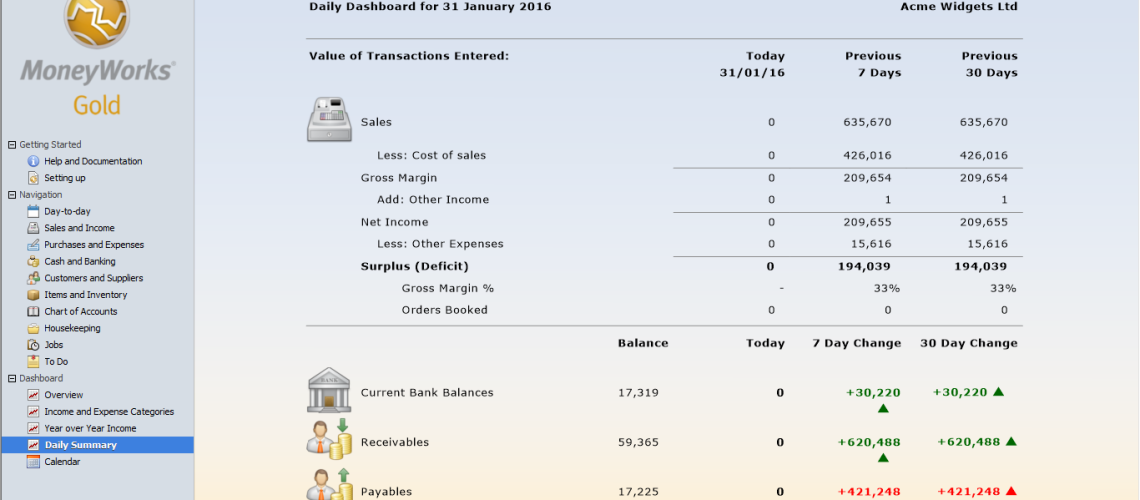
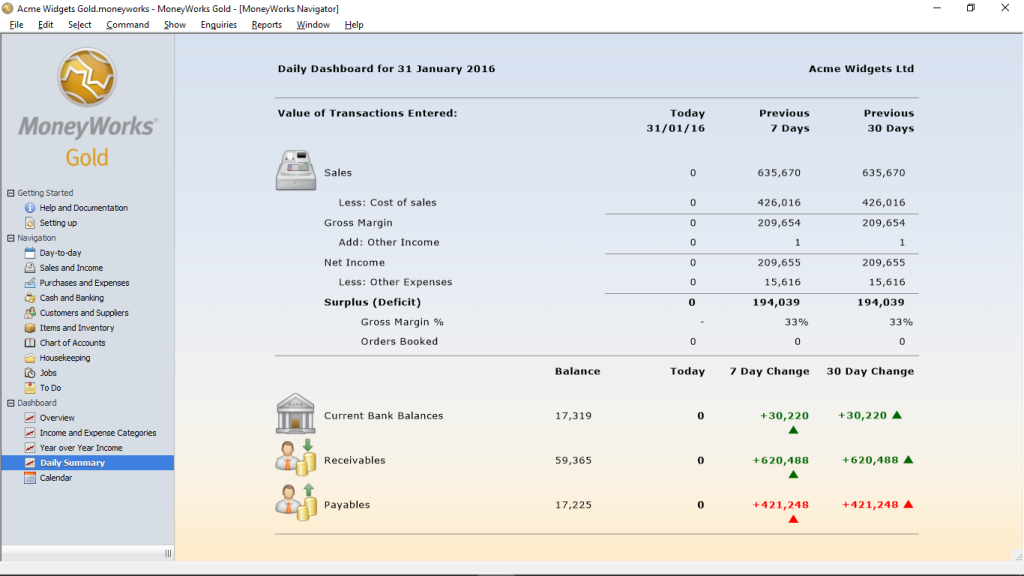
A full accounting system does more than keep track of money coming in and going out; it also provides useful insights into that data through various reports and graphs. Finance managers may gain insight into their company’s finances and uncover insights with these prefabricated dashboards. These dashboards track key financial indicators (KPIs) such as the current ratio, the quick ratio, the debt-to-equity ratio, net working capital, and inventory turnover.
Accounting software, either be locally installed or hosted online
Today, people are looking for accounting tools that can be accessed from the web. When it is “in the cloud,” it implies that rather than being hosted on a company’s servers, it is hosted on a larger network of other computers.
By removing the need for businesses to buy hardware or pay extra IT workers, the cloud provides a more cost-effective accounting software option, reducing operating expenses (OpEx) and capital expenditures (CapEx). Since no need exists to invest in and maintain an expensive IT infrastructure, funds may be reallocated to explore the innovation potential. Personnel can shift their focus to other strategic endeavors rather than IT management.
Four fundamental business ideas are behind the shift from either locally installed or hosted online-based accounting software. Those things are:
- Getting rid of the need for maintenance
Staff and consultants spend a lot of time maintaining legacy software systems. There will always be costs associated with fixing and keeping these systems up-to-date. Since cloud-based accounting software does all the tracking, diagnosing, installing, and testing for the client, the customer no longer have to do the work. Instead of you needing to put in the time and try to maintain and improve the system, the system will keep working without you.
- Saving money by avoiding costly repairs
Keeping software installed on physical servers or computers running costs time, money, and energy. Upgrades, disaster recovery, hardware refreshes, and backups are all taken care of automatically with cloud-based accounting software.
- Information on the economy that is current and reliable
A common feature of older accounting software was the ability to “batch transfer” transactions between subsidiary ledgers and the general ledger. The general ledger (GL) in cloud accounting software is always up to date since all transactions are posted immediately.
- Cancel all future orders for shelf-stock
With current accounting software, there is no need to purchase multiple licenses for “just in case” or “future usage” purposes. The cloud’s SaaS subscription model allows businesses to start scaling up and small as their needs change.
How to select the right accounting software for your business?
You can choose the right software for your business by keeping in mind the following things
- Free of charge sample
The best accounting software will provide you with a free trial period during which you may fully examine it. Test the reports and their usability by entering some fake transactions.
- The simplicity of its operation
When dealing with the complexities of accounting, the last thing you need is a sophisticated accounting system. Therefore, go for a program that has a straightforward layout and few extra bells and whistles.
- Permits multiple users access
Most bookkeeping software allows numerous users to be added to a single account. Without incurring any additional fees, you may be able to add and invite users to some systems. Choose an accounting program that makes it easy to send invites and work together.
- Automation
Recurring invoicing and payment reminders are just two examples of accounting duties that may be automated with modern software, freeing you up to focus on the larger picture.
- The Availability of Help in a Digital Format
You must choose between an offline accounting program and an online accounting software. The kind and structure of your firm may influence this choice. More and more companies are switching to cloud-based accounting software due to its many advantages over traditional methods.
Safekeeping sensitive financial information is crucial when selecting an online accounting service. Make sure you ask the service provider where and how they store your data. Also, please find out how often data is backed up and ensure it is sufficient for your needs.
Most companies wrongly choose an accounting system because it satisfies their current needs. When a company expands, however, its owners often discover that their existing accounting software is no longer adequate and must be replaced. Choose a solution that can grow with your company.
- Pricing
All the capabilities you’ll need in an accounting program should be available at a price you can afford. Several accounting programs require you to pay extra money for maintenance, upgrades, and support. Select an accounting program that doesn’t have any surprising costs.
Final Thoughts
Accounting software is a computer program that assists accountants in documenting and reporting on a company’s financial activities. Implementing accounting software in your company can be a significant financial commitment; thus, it is prudent to investigate the program’s advantages, competencies, features, potential drawbacks, and organizational prerequisites.
